Thinking Composite? What You Need to Know Before You Start
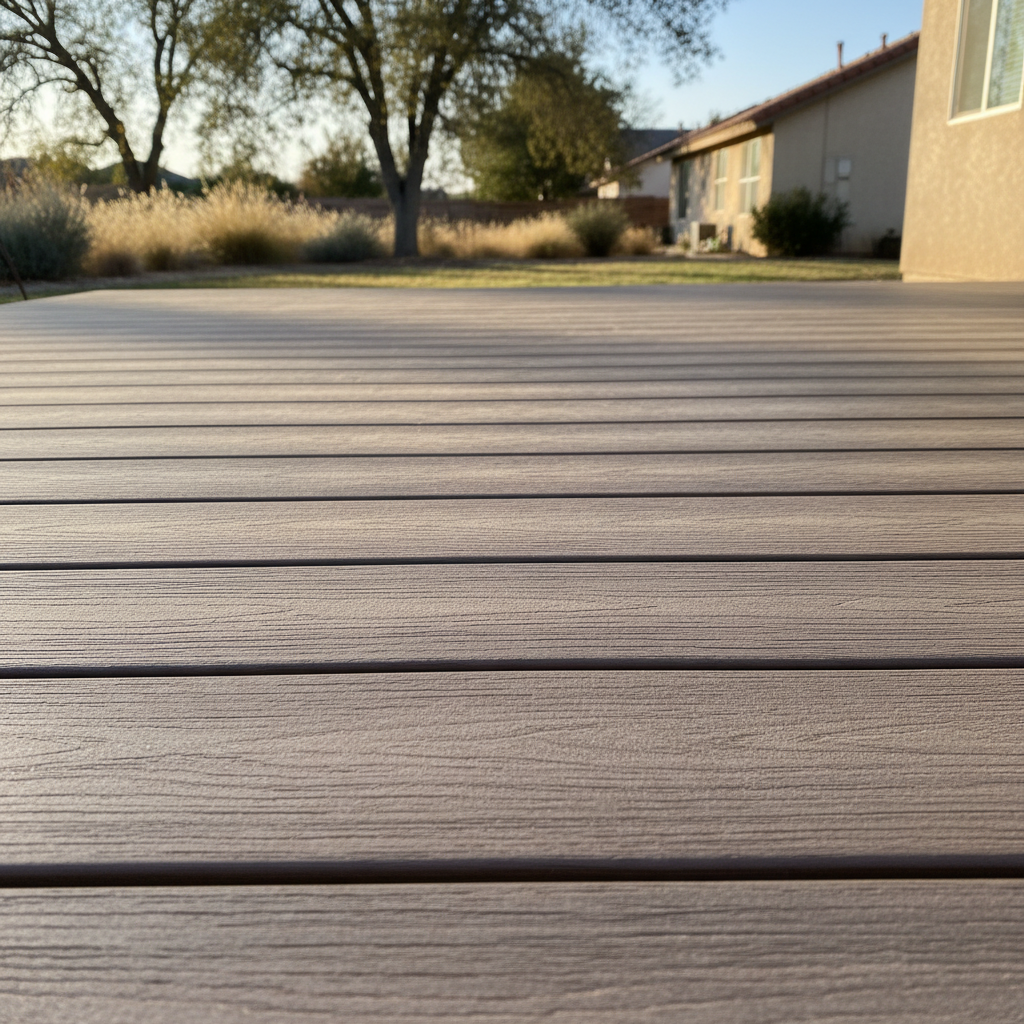
So, you're thinking about a composite deck for your Fresno home. Smart move. I've built plenty of them, and for folks around here, especially with our scorching summers and those occasional wet winters, they just make a lot of sense. You're probably looking for something that can handle the sun beating down on it day after day, something that won't splinter or rot like regular wood, and something you don't have to stain constantly. That's exactly where composite materials really shine.
Before you even think about buying materials, though, you've got to do your homework. First off, understand what composite actually is. It's usually a mix of wood fibers and recycled plastic. This blend gives you that wood look without all the headaches. But here's the thing: not all composite is created equal. You'll find different brands, different capstock technologies, and a whole range of price points. Some boards are solid, others are hollow. Solid ones usually feel much more substantial underfoot and can handle heavier loads, but they're pricier. Hollow boards are lighter and cheaper, but sometimes they can feel a bit "plasticky" or make more noise when you walk on them. I always tell my clients to grab samples from a few different manufacturers – Trex, TimberTech, Fiberon are some of the big names. Lay them out in your yard, see how they look in different light, and walk on them barefoot if you can. You'll quickly get a feel for what you like, believe me.
Another big "before" item is your budget. Composite costs more upfront than pressure-treated wood, no two ways about it. But you save a ton on maintenance down the road. No annual sanding, staining, or sealing. Over 10-15 years, that cost difference often evens out, sometimes even favoring composite. Don't forget to factor in the substructure, either. Even with composite decking, you'll still need a sturdy frame underneath, usually pressure-treated lumber. And if you're replacing an old deck, you really need to check the condition of that existing frame. Sometimes it's good to go, sometimes it's a goner.
Permits are also a must. In Fresno, any deck over 30 inches high or attached to the house typically needs a permit. Don't skip this step. The city building department isn't messing around, and you definitely don't want to build something only to have to tear it down or face fines. It's a hassle, sure, but it's part of doing things right.
Getting Your Hands Dirty: What Happens During Installation
Alright, so you've picked your material, got your permits, and you're ready to go. What can you realistically do yourself, and when should you call Fresno Deck Builders or another pro?
DIY-Friendly Tasks:
- Demolition: If you're replacing an existing deck, tearing out the old boards and even the old frame can be a good way to save some cash. Just make sure you're careful and have a plan for disposal.
- Substructure Prep: If your existing frame is solid, you might be able to clean it up, add any necessary blocking, and get it ready for the new decking.
- Basic Board Laying: If you're handy with a tape measure and a saw, and you're doing a simple rectangular deck, you might be able to lay some of the boards yourself. Composite cuts pretty clean with a good saw blade.
When to Call a Pro (Seriously):
- New Substructure: Building a new deck frame from scratch? Unless you've got serious carpentry experience, this is where you call someone like me. Getting the footings right, ensuring proper joist spacing, making sure everything is level and square – it's absolutely critical for the safety and longevity of your deck. A crooked frame means a crooked deck, no matter how nice your composite boards are.
- Complex Designs: If you want curves, multiple levels, intricate patterns, or built-in benches, leave it to the pros. These require specialized tools and skills to get right.
- Staircases: Deck stairs need to be precise. Uneven steps are a tripping hazard. This is definitely a job for someone who knows what they're doing.
- Hidden Fasteners: Most composite decks use hidden fastener systems for a clean look. While some are DIY-friendly clips, others require specific tools and techniques to install correctly and ensure proper board spacing and hold.
- Any Structural Concerns: If you're unsure about the integrity of your existing frame or how to attach the new deck to your house safely, get a professional opinion. Your deck is an extension of your home, and you don't want it falling down.
One thing I've seen in some older Fresno homes, especially in areas with expansive clay soils, is foundation issues. If your existing deck footings are sinking or cracking, that needs to be addressed before anything else. A pro can spot these issues and recommend the right fix.
Keeping It Clean: After the Deck is Done
So, your beautiful new composite deck is installed. Now what? The biggest selling point of composite is low maintenance, and it's true. You won't be staining it every year. But "low" doesn't mean "no" maintenance.
Here's the drill for aftercare:
- Regular Cleaning: Sweep off leaves, dirt, and debris regularly. Especially if you have a lot of oak trees around, those leaves can break down and leave stains if left too long.
- Soap and Water: For general grime, a good scrub with warm, soapy water (mild dish soap works fine) and a soft-bristle brush is usually all you need. Rinse thoroughly with a hose.
- Pressure Washing (Carefully!): You *can* pressure wash composite, but you need to be super careful. Use a wide fan tip (40-degree or wider) and keep the pressure below 1,500 PSI. Hold the wand at least 12 inches from the surface. Too much pressure or too close, and you can damage the capstock, leaving permanent marks. When in doubt, stick to the brush and hose.
- Stain Removal: For tougher stains like grease or rust, check the manufacturer's recommendations. They often have specific cleaners they recommend. Don't use harsh chemicals or abrasive cleaners unless the manufacturer explicitly says it's okay.
- Mold and Mildew: In shady, damp spots, especially after a rainy spell, you might see some mold or mildew. A composite deck cleaner or a solution of bleach and water (again, check manufacturer guidelines for bleach ratios) can usually take care of it. Rinse well.
That's about it. A composite deck is a fantastic investment for a Fresno homeowner. It gives you a great outdoor living space without the constant upkeep of wood. Do your homework, know your limits, and don't be afraid to call in the pros for the tricky stuff. You'll enjoy that deck for years to come.